
bathroom touch mirror
Understanding Pilot Check Valves Function, Applications, and Benefits In the realm of fluid control systems, the pilot check valve is a crucial component that plays a significant role in maintaining system integrity and efficiency. Unlike standard check valves that solely prevent reverse flow, pilot check valves offer advanced functionality, making them indispensable in various industrial applications. What is a Pilot Check Valve? A pilot check valve is a type of check valve equipped with a pilot mechanism that allows for controlled operation. The primary function of this valve is to prevent backflow while also enabling flow in one direction under specific conditions. This dual functionality is achieved through the integration of an additional control element, which can respond to changes in pressure, allowing for precise regulation of fluid flow. How Does it Work? The operation of a pilot check valve is relatively straightforward yet highly effective. When fluid flows in the designated direction, the valve opens, allowing the fluid to pass. However, in the event of a pressure drop or reversal of flow, the pilot mechanism activates, causing the valve to close. This action effectively prevents backflow, safeguarding downstream components and maintaining system pressure. The pilot mechanism can be adjusted based on system requirements, allowing operators to set the threshold pressures for valve operation. This capability grants engineers significant flexibility in designing systems that require specific flow conditions, thereby enhancing overall efficiency. Applications of Pilot Check Valves Pilot check valves are widely used across various industries due to their versatility and reliability . Key applications include 1. Hydraulic Systems In hydraulic machinery, these valves control fluid flow in systems such as excavators, forklifts, and mobile equipment, ensuring that the hydraulic fluid doesn't flow back when not required. 2. Water Management In municipal water systems, pilot check valves prevent backflow that could contaminate the water supply, ensuring clean and safe water delivery to consumers. pilot check valve 3. Chemical Processing In the chemical industry, maintaining the integrity of fluid systems is vital. Pilot check valves help manage chemical flows, preventing backflow that could lead to dangerous spills or reactions. 4. Oil and Gas These valves are also prominently used in the oil and gas sector, where they help ensure proper flow direction and pressure control in pipeline systems. 5. Cooling Systems In HVAC applications, pilot check valves help regulate the flow of coolant, preventing backflow that could lead to inefficiencies and damage to the system. Benefits of Pilot Check Valves The incorporation of pilot check valves into fluid systems presents numerous advantages - Enhances System Safety By preventing backflow, these valves protect equipment and systems from potential damage, ensuring safer operations. - Improves Efficiency The ability to control flow direction and pressure optimizes system performance, reducing energy consumption and operational costs. - Flexibility in Design Engineers can customize pilot check valves to meet specific system requirements, enhancing the overall functionality of fluid control systems. - Reduces Maintenance Needs With their reliable operation and effective backflow prevention, pilot check valves can lead to reduced wear and tear on system components, lowering maintenance frequency and costs. Conclusion In summary, pilot check valves are essential components in numerous industrial applications, offering enhanced functionality and reliability compared to standard check valves. Their ability to control fluid flow direction while preventing backflow significantly contributes to the efficiency and safety of various systems. As industries continue to evolve and demand more sophisticated fluid control solutions, pilot check valves will undoubtedly remain pivotal in optimizing performance across a myriad of applications. Understanding their operation and advantages is crucial for engineers and operators aiming to design and maintain highly effective fluid systems.
about
bathroom touch mirror
The 90-Degree Angle Ruler A Tool for Precision and Creativity In the world of design, architecture, and various forms of craftsmanship, the 90-degree angle ruler stands as an indispensable tool. This seemingly simple instrument is the backbone of many projects, ensuring that our constructions, drawings, and designs meet both aesthetic and functional criteria. Whether you're an experienced architect, a budding artist, or a DIY enthusiast, understanding the significance of the 90-degree angle ruler can enhance your future endeavors. Understanding the 90-Degree Angle At the heart of the 90-degree angle ruler lies the understanding of angles themselves. An angle is formed by two rays that meet at a common point, called the vertex. The 90-degree angle, also known as a right angle, is a quarter of a complete revolution (360 degrees). In practical terms, right angles can be found in the corners of squares and rectangles, making them fundamental to creating stable structures and accurate representations in drawings. The Design of the Ruler A 90-degree angle ruler typically features a triangular shape, with one angle measuring exactly 90 degrees. This design often includes markings along the edges for measuring lengths, which can enhance precision during the construction or drawing process. Many rulers also come with additional markings, such as centimeters, inches, and sometimes even angles, allowing for a myriad of functions beyond merely establishing right angles. The material used for these rulers ranges from wood and plastic to metal, each offering different benefits. For instance, wooden rulers are often favored for their aesthetic appeal and electromagnetic neutrality, while metal rulers deliver robustness and durability for heavy-duty tasks. A plastic ruler can be lightweight and portable, ideal for quick sketches or layouts on job sites. Applications in Various Fields 90 degree angle ruler The applicability of a 90-degree angle ruler spans various fields. In architecture, it is crucial for establishing the foundation of structures, ensuring that walls are perpendicular and corners are square. An accurate layout affects not only the visual symmetry of a building but also its structural integrity. Without precise angles, a building may suffer from various issues, including water leakage due to improper drainage or load distribution problems. In graphic design and illustration, the 90-degree angle ruler helps artists maintain accuracy in their work. Whether drafting architectural plans or creating intricate geometric patterns, a right angle is essential for maintaining the visual harmony of the composition. This tool allows artists to create grids and guidelines, enabling them to achieve symmetrical designs effortlessly. For hobbyists or DIY enthusiasts, the 90-degree angle ruler is equally important. When undertaking home improvement projects or crafting, ensuring that your cuts are precise can make a significant difference in the final look of the project. It assists in creating cabinets, picture frames, or even model kits where precision is key to achieving a polished result. Enhancing Creativity and Functionality While the 90-degree angle ruler is primarily a tool for accuracy, it also serves to expand creativity. Artists and designers often find that the discipline of working with exact measurements opens new pathways for innovation. With a solid understanding of how to manipulate right angles, one can explore varying levels of abstraction and complexity in their designs. Furthermore, because many modern designs require fluid and organic shapes, the traditional 90-degree angle ruler can be complemented with curved rulers or templates. This marriage of functionality and creativity leads to more versatile designs, subtly blending precision with artistic expression. Conclusion The 90-degree angle ruler may seem like a mundane tool, but its importance in various fields cannot be overstated. It symbolizes both precision and the foundational principles of design. From ensuring that structures stand firm and true to fostering creativity in the arts, this ruler is a testament to the idea that the simplest tools often have the most profound impact. As we continue to create and build, the humble 90-degree angle ruler will remain a staple in the toolkit of professionals and amateurs alike, balancing the intricacies of geometry with the beauty of creative vision.
-

High quality industrial productsagement

High quality industrial products
View Details -

Meet the diverse needs of customers

Meet the diverse needs of customers
View Details -

Strict quality control

Strict quality control
View Details -

Top raw materials

Top raw materials
View Details -

Trusted supplier

Trusted supplier
View Details
Our application


news and information
Water Flow Control Valve for Efficient Shut-off Solutions
Understanding Water Shut-off Valves A Guide Water shut-off valves are an essential component in plum
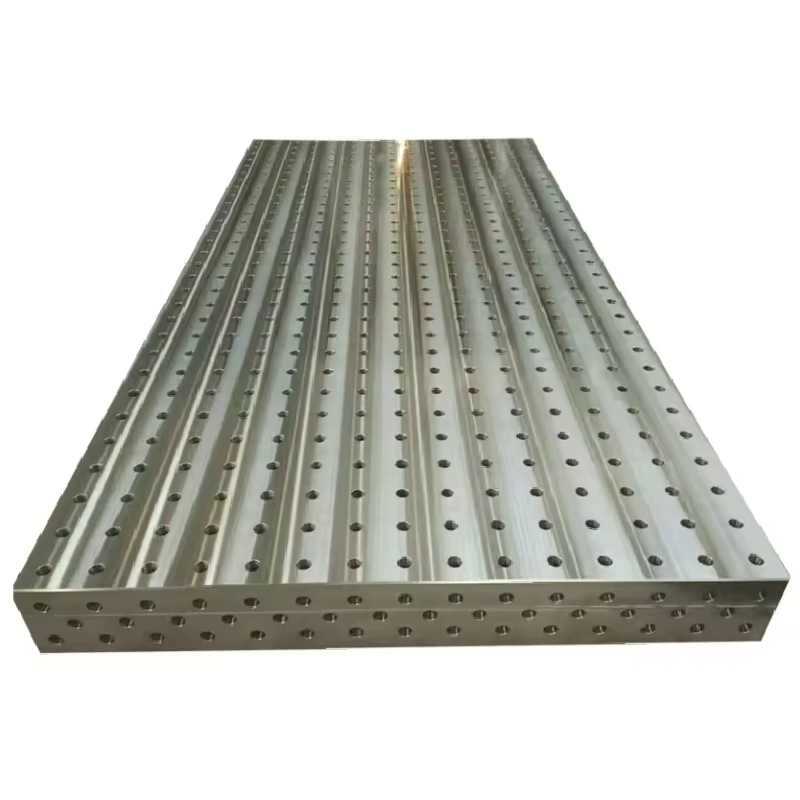
Welding Inspection Measurement Tool for Quality Assurance and Precision Assessment
Welding Inspection Ruler An Essential Tool for Quality Assurance in Welding Welding is a critical pr

y strainer flange type
Understanding Y Strainer Flange Type An Essential Component in Fluid Systems In the realm of fluid m
 English